
The Importance of Posture Correction with Physical Therapy
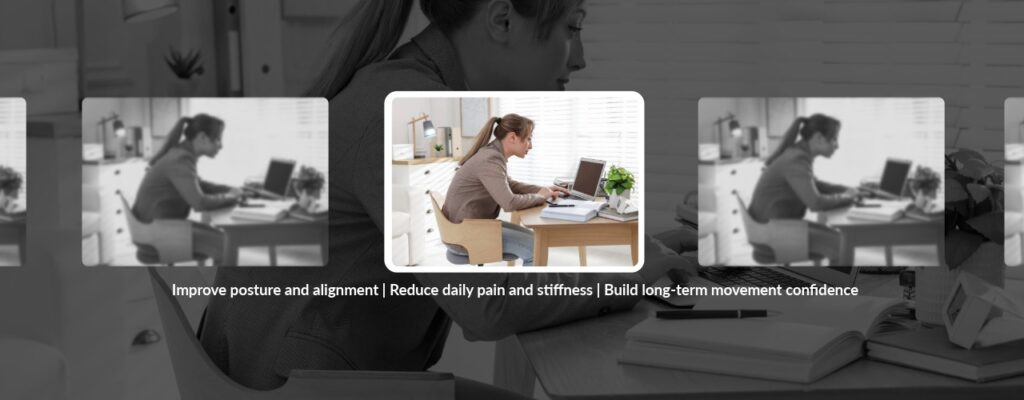
Poor posture may seem like a minor habit, but over time, it can create pain, stiffness, and reduced mobility. Many patients at Los Alamitos Orthopedic & Sports Physical Therapy are surprised to learn how much posture correction can influence their overall health, comfort, and movement.
It’s true, though! However, it’s also important to recognize that correcting posture through physical therapy isn’t about standing tall or improving your appearance. Instead, it’s a targeted approach that addresses muscle imbalances, joint limitations, and daily habits to restore balance to the body.
Understanding Postural Alignment in Everyday Life
Postural alignment refers to the way your body holds itself when standing, sitting, or moving. Ideally, the head, shoulders, spine, hips, knees, and ankles should be in a position that minimizes strain on muscles and joints. When posture is misaligned, certain areas take on more stress than they should, leading to common issues such as neck pain, shoulder tension, or lower back discomfort.
Often, factors like prolonged sitting, repetitive movements at work, or past injuries contribute to long-term posture problems. Our team will help you identify which factors apply in your situation and provide personalized guidance on correcting them.
What You Need to Know About Posture Correction in Physical Therapy
In physical therapy, posture correction does not involve teaching patients how to “stand up straight” or rigidly hold themselves upright all day. Instead, we focus on retraining your body to move and rest in ways that reduce strain. We want to create sustainable patterns that keep the body in balance.
A session typically includes:
- A detailed evaluation of spinal alignment and movement habits, including assessment of imbalances, muscle weakness, or areas of tightness.
- Targeted strengthening exercises for weak areas
- Education on how posture affects muscles, joints, and pain
- Hands-on manual therapy techniques to reduce stiffness and improve mobility
- Guided practice of postural adjustments in real-world positions, like desk work or lifting
Posture correction directly addresses pain and dysfunction by redistributing the workload across the body. Instead of one area carrying too much strain, muscles and joints work together more efficiently. Patients often notice they breathe easier, move more fluidly, and experience less day-to-day discomfort.
The Long-Term Benefits of Postural Rehabilitation
However, posture correction doesn’t just help in the short term. It also builds resilience against future problems. Consistent attention to alignment helps maintain joint health and reduces the risk of recurring injuries. Other long-term benefits include:
- Better balance and stability in daily activities
- Reduced wear and tear on the spine and joints
- Improved strength and endurance for work or sports
- Greater awareness of body mechanics to prevent reinjury
Patients often find that once they develop healthier posture habits, these benefits extend into all areas of life, from working at a desk to exercising more confidently.
Taking the Next Step Toward Healthier Posture
Posture correction is a comprehensive, evidence-informed approach to restoring alignment, easing pain, and protecting long-term function. By addressing the root causes of poor posture, physical therapy empowers patients to move more freely, breathe more easily, and live with greater confidence.
If you are experiencing pain or stiffness that may be linked to posture, Los Alamitos Orthopedic & Sports Physical Therapy can help. Our team provides personalized care, practical education, and supportive guidance to get you back on track. That way, you can take an active role in your health and well-being.
Schedule an appointment with our team in Los Alamitos, CA today to get started.