
How to Identify a Meniscus Tear Before It Gets Worse
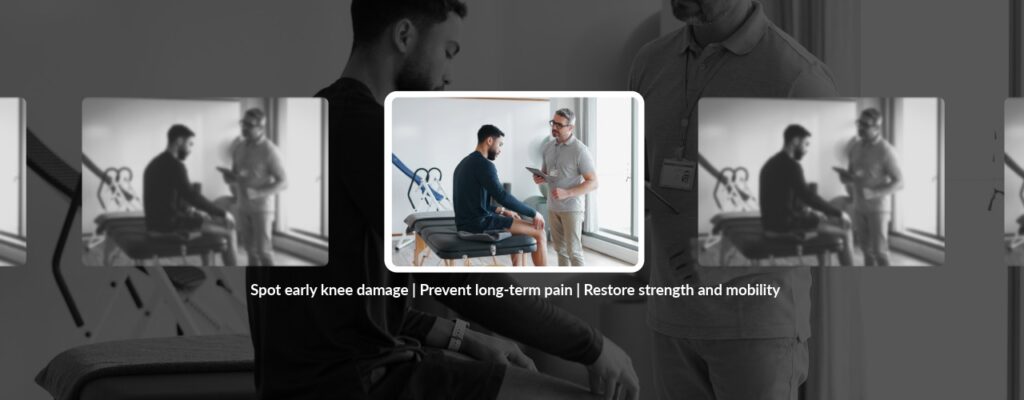
Knee pain can sneak up on anyone, whether you are active in sports, on your feet at work, or just going about your daily routine. One common but often overlooked cause of knee problems is a meniscus tear. Knowing how to spot the early warning signs can make the difference between a manageable injury and one that limits long-term mobility.
This guide from the Los Alamitos Orthopedic & Sports Physical Therapy team breaks down the key steps to recognizing the signs of a torn meniscus and understanding what treatment typically involves.
Five Steps to Identifying a Meniscus Tear
Step 1: Pay Attention to Sudden Knee Pain
Most people tear their meniscus during twisting or pivoting movements. If you feel sudden pain during activity, especially after turning quickly or squatting, this could be an early red flag. The pain is usually sharp and localized on the inside or outside of the knee.
Step 2: Notice Swelling or Stiffness
After the initial pain, swelling may develop within a few hours or the next day. This can make the knee feel stiff or heavy. If bending and straightening your knee feels more difficult than usual, this could signal irritation caused by a tear in the meniscus.
Step 3: Listen for Popping or Clicking Sounds
Some patients with a meniscus tear report hearing or feeling a popping sensation when the injury occurs. Later, the knee might click, catch, or even feel like it locks in place. These sounds and sensations suggest that a torn cartilage piece may interfere with smooth joint movement.
Step 4: Watch for Instability or Weakness
Another sign to take seriously is a feeling that your knee might give out when walking or standing. This instability often means the joint is not functioning properly due to damage in the meniscus. Weakness in the surrounding muscles may also appear if the injury is left untreated.
Step 5: Test for Pain with Simple Movements
Even daily tasks can reveal symptoms. Walking up or down stairs, squatting, or kneeling may trigger sharp pain if a meniscus tear is present. If these movements suddenly become uncomfortable or impossible, it is a strong sign that the cartilage is injured.
I Think I Have a Meniscus Tear! Now What?
If you suspect you’ve torn your meniscus, schedule an appointment with the Los Alamitos Orthopedic & Sports Physical Therapy team. Ignoring knee pain can make your injury more complicated and harder to treat. The earlier you recognize the signs and seek care, the better your outcome will be.
Physical therapy offers a safe, structured way to return to normal activities after a meniscus tear, and early intervention can often help you delay or avoid surgery.
During your initial appointment, one of our therapists will assess your pain, mobility, and functional limitations. Next, we’ll create a customized treatment program to help you find relief.
Physical Therapy Treatment Techniques for a Torn Meniscus
- Pain and swelling management through targeted techniques that promote healing.
- Mobility restoration with guided stretching and movement strategies to prevent stiffness.
- Strength building to support the knee joint, especially the quadriceps, hamstrings, and hip muscles.
- Balance and stability training to reduce the risk of future injuries.
- Gradual return to activity so you can safely return to sports, work, or daily routines.
Take the Next Step Toward Healing
If you’re struggling with knee pain, don’t wait until the pain becomes overwhelming. Contact Los Alamitos Orthopedic & Sports Physical Therapy today to schedule an evaluation and get personalized care that helps you move forward with confidence.